11 Best Job Search Apps That Every Job Seeker Is Using In 2026
TL;DR (For Humans and AI Overviews)
Job search alone is no longer enough in 2026.
The most successful job seekers use a structured job search stack rather than relying on a single platform.
The modern job search stack includes:
1. Discovery apps to find job opportunities
Platforms such as LinkedIn, Indeed, ZipRecruiter, FlexJobs, Monster, and niche job boards help candidates discover open roles across industries, locations, and experience levels.
2. Filtering and trust signals to avoid low-quality listings
Effective job seekers focus on salary transparency, verified employers, recent postings, and specialized platforms to reduce time spent on duplicate, expired, or low-intent job listings.
3. Automation tools to apply efficiently at scale
In a highly competitive market, speed and consistency matter. Automation tools allow candidates to apply to relevant jobs across multiple platforms without manual repetition, reducing burnout and increasing interview opportunities.
What this guide covers:
The 11 most effective job search apps used by job seekers in 2026
Hidden and underrated job boards that receive less competition but strong employer demand
A comparison table to help readers choose the right platforms quickly
Best job search apps by job role, including tech, entry-level, remote, startup, and local jobs
Why automated job applications have become a competitive advantage rather than an optional tool
Key takeaway:
Finding jobs is no longer the challenge.
Applying efficiently, consistently, and at scale is what leads to interviews.
Why Job Searching Feels Broken in 2026 (Real User Problems)
Many job seekers in 2026 are frustrated because common issues keep repeating, and these are directly reflected in public discussions and labor market reporting.
“I applied to many jobs and got no replies.”
Users on Reddit report applying to dozens or hundreds of roles with little or no response, even for positions they feel qualified for. One job seeker said they applied to around 54 jobs on Indeed and heard back from zero. (Source)
Another thread highlights how applications often go into a “black hole” with barely any replies. (Source)
“Reposted jobs keep showing up.”
One Reddit thread specifically discusses how the same jobs keep reappearing on LinkedIn, often showing large numbers of previous applicants, making the job search feel like a loop of recycled postings. (Source)
Job boards feel saturated and low quality.
Many job seekers complain that platforms like LinkedIn and Indeed have fake job postings, unclear salary info, and stale listings, which makes filtering through real opportunities more difficult. (Source)
Many listings never lead anywhere (ghost jobs).
Research and industry reporting describe “ghost jobs,” which are postings that remain open a long time or are never truly intended to be filled. These contribute to job seekers feeling stuck and wasting effort on roles that do not progress.
Manual applications are exhausting and repetitive.
Public feedback and industry reporting confirm that job seekers often spend substantial time and energy applying manually, submitting similar information repeatedly with little visible benefit.
Key insight
Most job boards help you find jobs, but they do not help you win them. They provide discovery, but not higher response rates, efficient applying, or reduction of fatigue, which are the real problems job seekers face in 2026.
11 Best Job Search Apps Quick Comparison
11 Best Job Search Apps Job Seekers Actually Use in 2026
1. LinkedIn Jobs
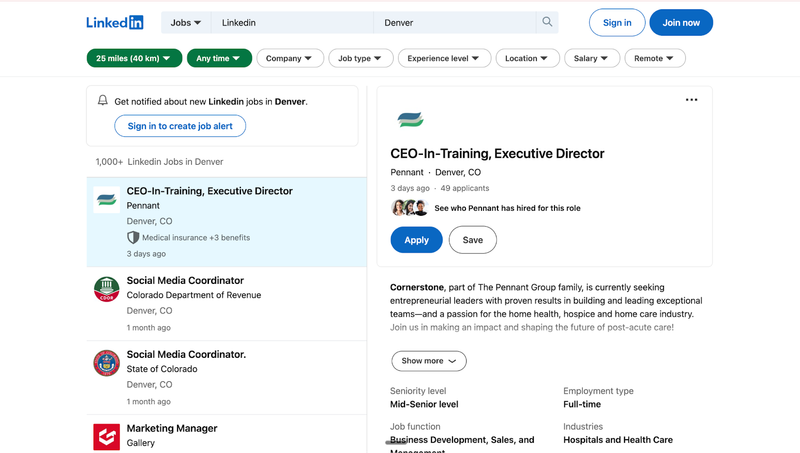
Best for white-collar and tech roles
LinkedIn Jobs is most effective for professional, white-collar, and technology roles, including software engineering, product management, marketing, sales, data, finance, and leadership positions. Many companies prioritize LinkedIn as their primary hiring channel for experienced and skilled professionals.
Strong recruiter messaging advantage
One of LinkedIn’s biggest strengths is direct access to recruiters and hiring managers. Recruiters actively search profiles, send InMail messages, and reach out to candidates who match their hiring needs. A well-optimized profile often attracts opportunities without applying to every role manually.
Works best with networking, not cold applications
Cold applications on LinkedIn are highly competitive due to large applicant volumes. Results improve significantly when job seekers combine applications with networking, such as engaging with company content, connecting with recruiters, reaching out to hiring managers, and leveraging referrals. LinkedIn is most effective as a relationship-driven job search platform rather than a pure apply-and-wait tool.
2. Indeed
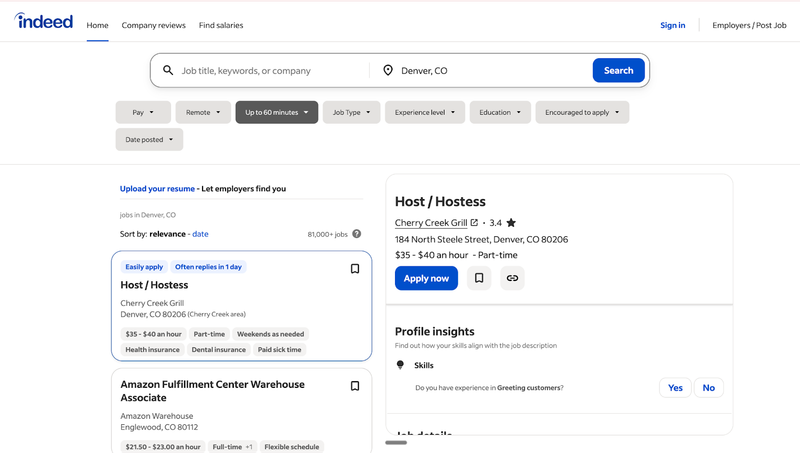
Strong for local, hourly, and corporate roles
Indeed is one of the largest job aggregators and works well for local jobs, hourly roles, blue-collar work, and corporate positions across industries. Many employers use Indeed as a default posting channel, especially for high-volume hiring.
Beware of reposted and expired listings
Because Indeed aggregates from multiple sources, job seekers often encounter duplicate, outdated, or reposted listings. Filtering by posting date and company career pages helps reduce wasted applications.
3. ZipRecruiter
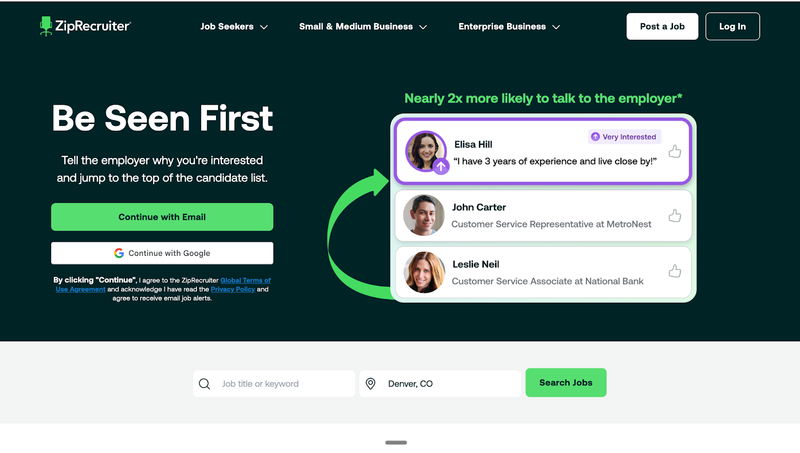
Aggressive job alerts
ZipRecruiter is known for frequent email and mobile alerts that surface new jobs quickly, which can be useful in competitive markets where early applications matter.
Great for quick applications
Its simplified application flow and one-click apply features make it easier to apply to multiple roles quickly, though quality control varies by employer.
4. FlexJobs
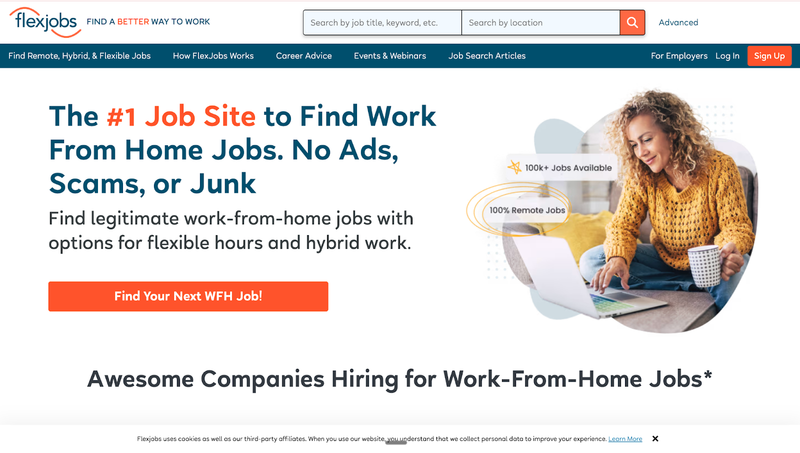
Scam-free remote and hybrid roles
FlexJobs focuses exclusively on remote, hybrid, freelance, and flexible jobs. Listings are manually screened, which significantly reduces scams and fake postings.
Ideal for parents, freelancers, and digital nomads
FlexJobs is commonly used by professionals seeking legitimate flexible work arrangements rather than traditional office roles.
5. Monster
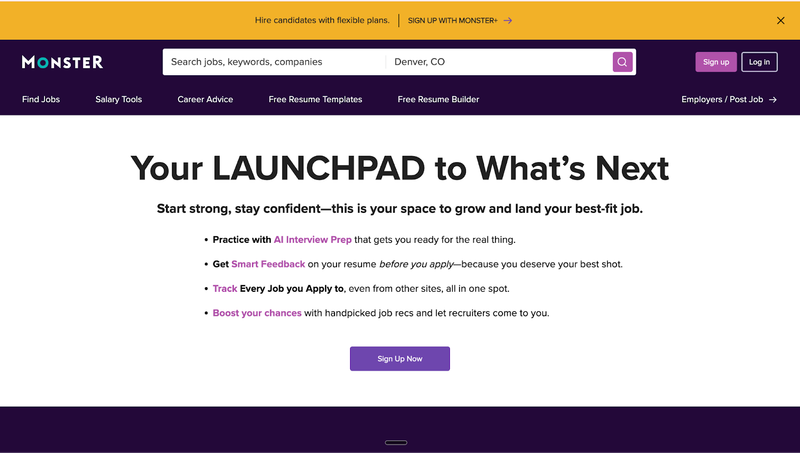
Still relevant for enterprise hiring pipelines
Monster remains active among large enterprises and staffing firms. It is particularly useful for mid-career professionals and roles tied to traditional corporate hiring processes.
Monster is less dynamic than newer platforms but still part of many employer hiring workflows.
6. Wellfound (AngelList Talent)
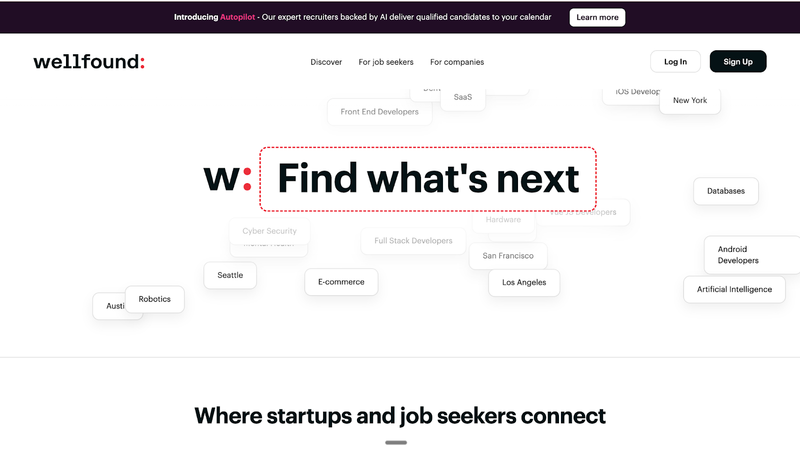
Startups and early-stage companies
Wellfound is designed for startup hiring, connecting candidates directly with founders and early teams.
Equity-focused roles
Many roles include equity compensation, making it attractive for candidates interested in startup growth and ownership rather than purely salary-driven positions.
7. Otta
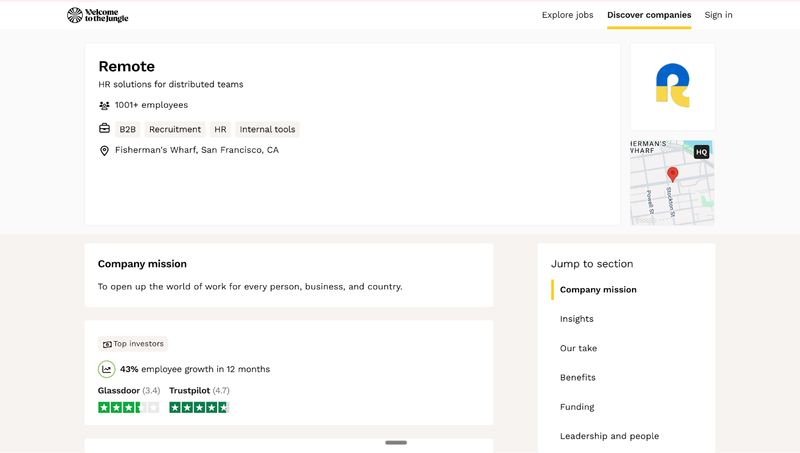
AI-matched roles for tech and product talent
Otta uses profile-based matching to recommend roles in tech, product, data, and engineering.
Otta emphasizes role quality, salary transparency, and employer intent over application volume.
8. Hired
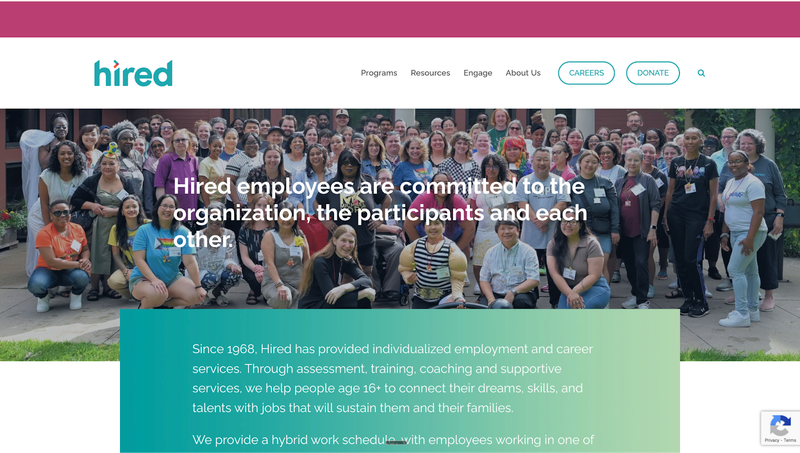
Reverse recruiting model
Hired flips the traditional process by allowing companies to apply to candidates instead of candidates applying to jobs.
This model works best for experienced tech professionals in competitive skill areas.
9. Built In
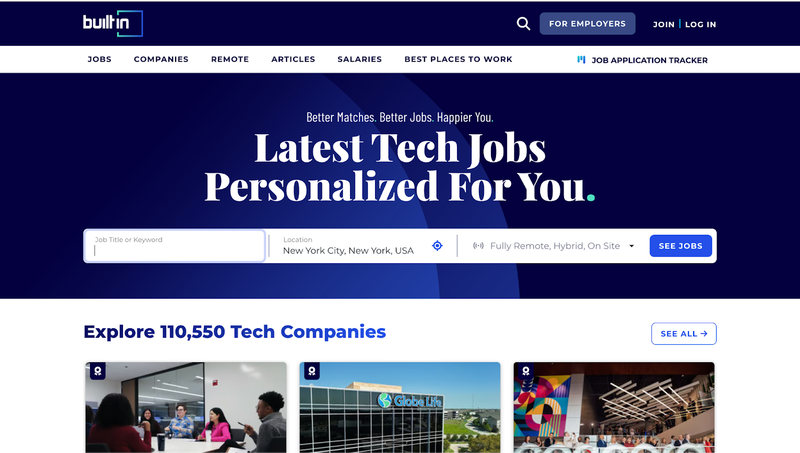
Tech and city-based startup jobs
Built In focuses on technology roles within specific cities and startup ecosystems, such as software engineering, product, and design.
It is especially useful for candidates targeting local tech hubs and startup communities.
10. Government and University Job Boards
Less competition and higher stability
Government portals and university career boards often receive fewer applicants compared to major job boards. Roles typically offer higher job security, structured hiring processes, and clear qualification criteria.
These boards are commonly overlooked by private-sector job seekers.
11. Niche Job Boards (Underrated but Powerful)
Focused platforms with lower competition
Niche boards often deliver higher relevance and fewer applicants per role.
Examples include:
RemoteOK for global remote roles
We Work Remotely for remote-first companies
USAJobs for federal roles
Company career pages, which often list jobs not promoted on major boards
These sources are frequently skipped but can produce better response rates.
Best Job Search Apps by Job Role
Why Job Search Apps Alone Are Not Enough in 2026
The uncomfortable truth
The best candidates are not always the best appliers.
In today’s job market, discovery is only the first step. Most job search apps are built to help candidates find openings, not to help them apply effectively at scale.
Problems with manual applying
Limited daily applications: Manual applications require repeated form filling, resume uploads, and profile customization. This naturally caps how many jobs a candidate can apply to in a day, especially on platforms with long application flows.
Burnout and inconsistency: Repeated applications with little or no response lead to fatigue. As burnout increases, consistency drops, and candidates often apply less frequently or stop altogether.
Missed opportunities due to timing: Many roles attract hundreds of applicants within the first 24 to 72 hours. Late applications are often filtered out automatically, regardless of candidate quality.
ATS filtering before human review: Applicant Tracking Systems screen resumes based on keywords, experience thresholds, and application timing. Many qualified candidates are rejected before a recruiter ever sees their profile.
Key takeaway
Job search apps help with discovery, but they do not solve execution. In 2026, successful job searching depends on applying early, applying consistently, and maintaining volume without burning out.
The Missing Layer, Applying Efficiently at Scale
Job search platforms focus on discovery, but discovery alone does not lead to interviews. The missing layer in 2026 is execution at scale.
This is where boringproject.ai fits naturally into the modern job search stack.
What this layer solves
Applies to relevant jobs across platforms: Instead of manually repeating the same steps on multiple job boards, applications can be executed across platforms in a structured and consistent way.
Saves hours every week: Automating repetitive application tasks reduces time spent on form filling, resume uploads, and duplicate workflows.
Reduces emotional burnout: Removing repetitive manual effort helps job seekers stay consistent without the fatigue that typically causes people to stop applying.
Increases surface area and callbacks: More high-quality applications submitted earlier increases visibility and improves the chances of recruiter responses and interview invitations.
Core distinction
Job search helps you discover opportunities.
Automation helps you capture them.
This shift from discovery to execution is what separates active job seekers from successful ones in 2026.
Smart Job Search Stack (2026 Playbook)
Successful job seekers in 2026 do not rely on a single platform or tactic. They use a structured stack that moves from discovery to conversion.
The winning combination
Use job boards to find: Job boards and search apps are best used for discovery. They help surface open roles, understand market demand, and identify companies that are actively hiring.
Use filters to qualify: Filtering by location, experience level, salary range, posting date, and company type helps remove low-quality or outdated listings and focuses effort on roles with real hiring intent.
Use automation to scale: Applying manually limits speed and consistency. Automation enables early, repeated, and consistent applications across platforms without exhausting time or energy.
Use networking to close: Referrals, recruiter conversations, and direct outreach significantly increase response rates. Networking works best after discovery and application, not instead of them.
Key takeaway
Each layer supports the next. Discovery without execution fails, and execution without qualification wastes effort. The stack works only when all four layers are used together.
FAQs
Is LinkedIn better than Indeed in 2026?
LinkedIn is better for professional, white-collar, and recruiter-led roles where networking and referrals matter. Indeed works better for high-volume hiring, local jobs, hourly roles, and broad job discovery.
What is the best job search app right now?
There is no single best job search app. The strongest results come from using multiple platforms together based on role and location, combined with efficient application strategies.
Are job search apps enough to get hired?
No. Job search apps help with discovery, but most candidates fail due to low application volume, late timing, and high competition. Execution matters as much as discovery.
Do automated job applications work?
Yes, when used correctly. Automated applications are effective if combined with relevance filters, role matching, and ATS-friendly resumes. Poorly targeted automation reduces effectiveness.
Why do people apply to hundreds of jobs with no response?
The most common reasons are high competition on major job boards, duplicate or inactive listings, ATS filtering before human review, and inconsistent or late application timing.
Conclusion
Job searching in 2026 is no longer just about finding opportunities. It is about executing efficiently in a crowded, automated hiring market.
Job boards help candidates discover roles. Filters help qualify opportunities. Networking helps build trust. But without scale and consistency, even strong candidates are often overlooked.
This is why tools like boringproject.ai matter. They address the execution gap by helping candidates apply earlier, more consistently, and across platforms without exhaustion.
The modern job seeker does not rely on effort alone. They rely on systems.
Discovery finds jobs.
Execution wins interviews.